 Save
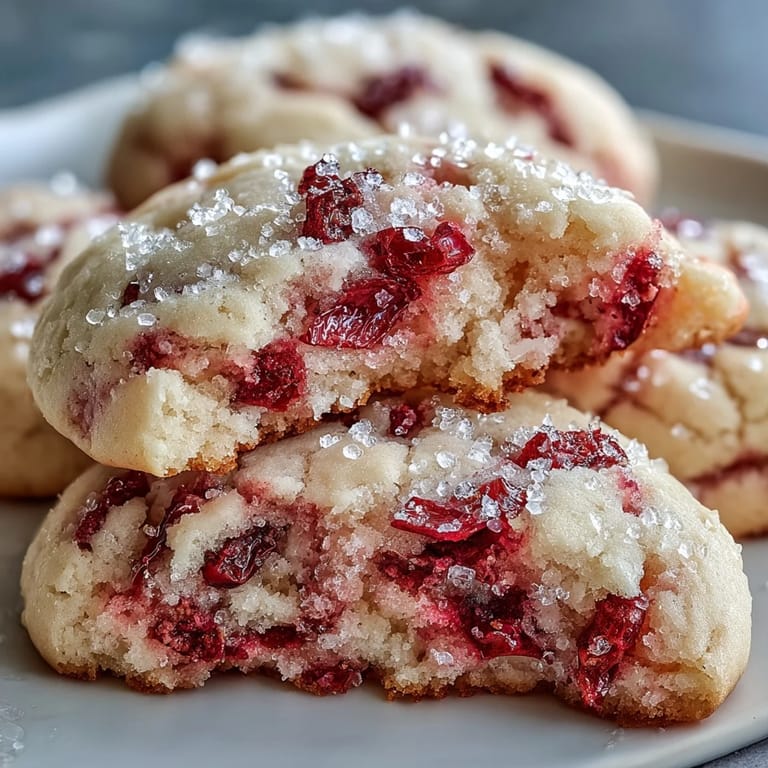
Save One Saturday morning, I pulled a pint of raspberries from the fridge and realized they were about to turn. I didn't want jam, and I was tired of muffins. So I grabbed my sugar cookie dough recipe and folded the berries straight in, unsure if they'd bake or bleed everywhere. What came out of the oven was soft, jewel-toned, and impossibly chewy—with pockets of warm berry tartness in every bite. I've made them a dozen times since, and they still surprise people who expect ordinary sugar cookies.
I brought a tin of these to a potluck once, and someone asked if I'd ordered them from a bakery. The pale pink sugar on top caught the light, and the smell of vanilla and warm fruit filled the room before I even opened the lid. By the end of the night, three people had texted me for the recipe. It was the first time I realized a cookie could feel fancy without any fuss.
Ingredients
- Unsalted butter, softened: This is the backbone of tenderness—let it sit at room temperature until your finger leaves a dent, or the dough won't cream properly and the cookies will spread thin.
- Granulated sugar and light brown sugar: Using both gives you chew from the molasses in brown sugar and crispness from the white, plus a deeper, caramel-like sweetness that balances the berries.
- Eggs, room temperature: Cold eggs can seize the butter and create a grainy dough, so leave them on the counter for 20 minutes or soak them in warm water for five.
- Vanilla extract: Pure vanilla adds warmth and rounds out the brightness of the raspberries—don't skip it or use imitation if you can help it.
- All-purpose flour: The structure holder, measured correctly by spooning it into your cup and leveling it off, never scooping directly from the bag.
- Cornstarch: This is the secret to that soft, melt-in-your-mouth texture—it interrupts gluten formation and keeps the cookies from getting tough.
- Baking powder and baking soda: Together they give lift and spread, creating cookies that puff slightly in the oven then settle into thick, chewy rounds.
- Salt: Just enough to sharpen the sweetness and make the raspberry flavor pop without tasting salty.
- Fresh raspberries: Wash them gently and pat them completely dry, or they'll leak too much juice and turn the dough wet—delicate handling is key.
- Crushed freeze-dried raspberries: Optional but magical, they add intense berry flavor and a soft pink hue to the sugar coating without any moisture.
Tired of Takeout? 🥡
Get 10 meals you can make faster than delivery arrives. Seriously.
One email. No spam. Unsubscribe anytime.
Instructions
- Prep your oven and pans:
- Set your oven to 350°F and line two baking sheets with parchment or silicone mats so the cookies release easily and bake evenly. Parchment also keeps the bottoms from browning too fast.
- Whisk the dry ingredients:
- Combine flour, cornstarch, baking powder, baking soda, and salt in a medium bowl, whisking thoroughly to distribute the leavening agents. This prevents pockets of baking soda that can taste bitter.
- Cream the butter and sugars:
- Beat softened butter with both sugars on medium speed for 3 to 4 minutes, scraping down the bowl halfway through, until the mixture is pale, fluffy, and nearly doubles in volume. This step traps air for a lighter crumb.
- Add eggs and vanilla:
- Drop in eggs one at a time on low speed, letting each one blend in before adding the next, then mix in vanilla until the batter looks smooth and unified. Scrape the bowl again to catch any butter clinging to the sides.
- Mix in the flour:
- Add the dry mixture gradually on low speed, mixing only until streaks of flour disappear—overmixing builds gluten and makes cookies tough. Stop as soon as the dough comes together.
- Fold in the raspberries:
- Use a spatula to gently fold fresh raspberries into the dough by hand, being careful not to crush them all or the dough will turn pink and wet. A few smashed berries are fine and add color.
- Prepare the coating:
- In a small bowl, stir together granulated sugar and crushed freeze-dried raspberries if using. The freeze-dried powder clings beautifully and adds a subtle berry perfume.
- Shape and coat the cookies:
- Scoop about 1.5 tablespoons of dough, roll it into a smooth ball between your palms, then roll it in the raspberry sugar until evenly coated. Place each ball on the prepared sheets, spacing them 2 inches apart.
- Bake until just set:
- Bake for 10 to 12 minutes, watching for edges that look firm and centers that still appear slightly underdone and glossy. They'll finish setting as they cool.
- Rest and cool:
- Let the cookies sit on the baking sheet for 5 minutes to firm up before transferring them to a wire rack. Moving them too soon can cause them to break or flatten.
 Pin it
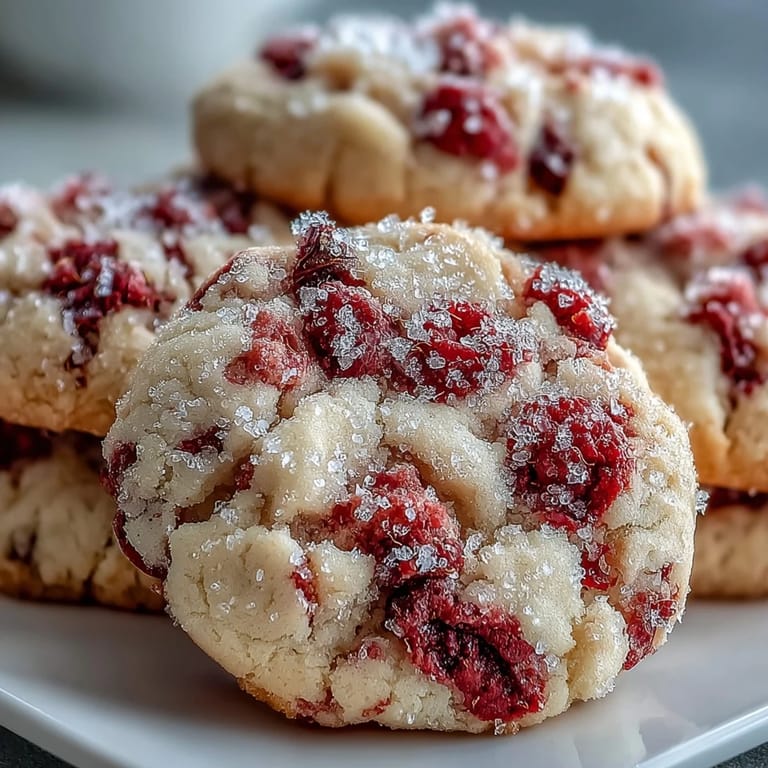
 The first time I served these at a brunch, someone bit into one and paused mid-chew, surprised by the warm burst of raspberry hidden inside. She said it felt like finding a secret in the dough. I've thought about that description ever since—it's exactly what makes these cookies special. They're not just sweet, they're full of little moments.
How to Store and Freeze
These cookies stay soft and chewy in an airtight container at room temperature for up to four days, though they rarely last that long in my house. If you want to freeze them, let them cool completely, then layer them between sheets of parchment in a freezer-safe container for up to three months. They thaw in about 20 minutes on the counter and taste just as fresh. You can also freeze the dough balls before baking—roll them in sugar, freeze on a tray, then transfer to a zip-top bag and bake straight from frozen, adding an extra minute or two to the time.
Flavor Variations and Swaps
If you want even more raspberry intensity, press a small divot into each dough ball before coating and tuck in a quarter teaspoon of raspberry jam, then pinch it closed and roll in sugar. For a citrus twist, add a teaspoon of lemon or orange zest to the dough along with the vanilla. You can also swap raspberries for blueberries, blackberries, or chopped strawberries, though blueberries hold their shape best during baking. If fresh berries aren't available, fold in three-quarters of a cup of crushed freeze-dried raspberries directly into the dough for a more concentrated, jewel-toned cookie with no risk of sogginess.
Troubleshooting and Final Tips
If your cookies spread too thin, your butter may have been too soft or melted—it should be cool to the touch but soft enough to dent. If they turn out cakey instead of chewy, you likely overbaked them or added too much flour, so measure carefully and pull them early. The cornstarch is essential for that tender crumb, so don't leave it out or replace it with more flour.
- Use a cookie scoop for consistent size and even baking every time.
- Let the dough rest in the fridge if your kitchen is hot or the dough feels sticky.
- Don't skip the five-minute rest on the baking sheet—it's when the cookies set and develop their signature chew.
 Pin it
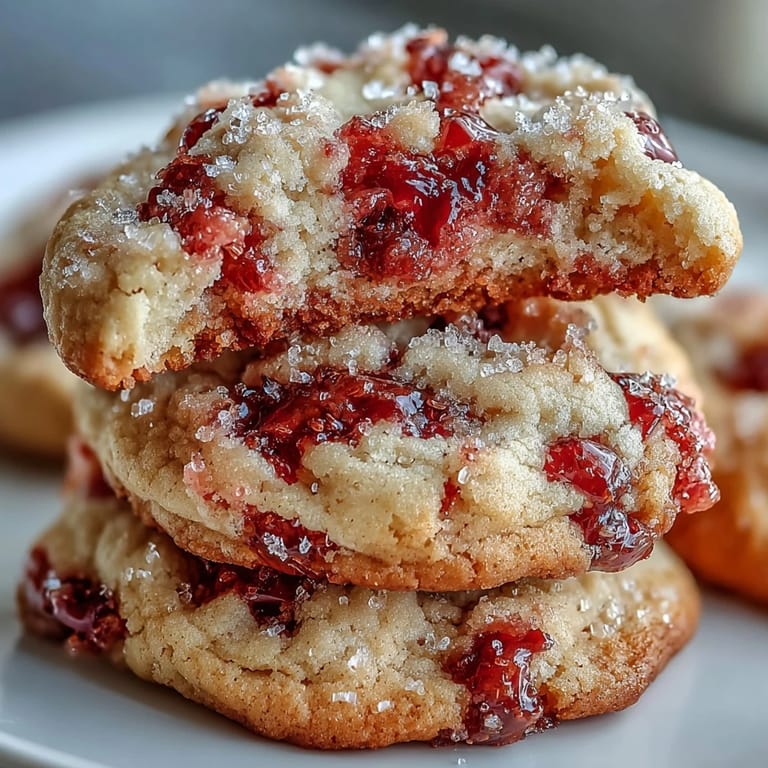
 These cookies have become my go-to when I want something that feels homemade but looks polished, and they've never let me down. I hope they surprise you the way they surprised me that first Saturday morning.
Frequently Asked Questions
- → Can I use frozen raspberries instead of fresh?
Frozen raspberries release more moisture during baking, which can affect the cookie texture. If using frozen, thaw and pat them completely dry before folding into the dough. For best results, stick with fresh or use crushed freeze-dried raspberries mixed directly into the batter.
- → Why should I chill the dough before baking?
Chilling the dough for 30 minutes helps prevent excessive spreading in the oven, resulting in thicker, softer cookies. The rest time also allows flavors to meld and the flour to hydrate fully, enhancing the overall taste and texture of the baked treats.
- → How do I know when the cookies are done baking?
The cookies are ready when edges appear set and slightly golden while centers still look slightly underbaked. They will continue cooking on the hot baking sheet during the 5-minute rest period. This technique ensures perfectly soft, chewy results rather than crispy edges.
- → Can I make these without freeze-dried raspberries?
Absolutely. The freeze-dried raspberries in the coating add extra berry flavor and vibrant color, but they're optional. Simply roll the dough balls in granulated sugar alone for a classic sparkly finish. The fresh raspberries inside still provide plenty of fruity taste.
- → How should I store these cookies?
Keep completely cooled cookies in an airtight container at room temperature for up to 4 days. Place parchment paper between layers to prevent sticking. For longer storage, freeze unbaked dough balls or baked cookies for up to 3 months. Thaw frozen baked treats at room temperature.
- → What makes these cookies chewy instead of crispy?
The combination of brown sugar, cornstarch, and slightly underbaking creates the chewy texture. Brown sugar adds moisture, cornstarch tenderizes the crumb, and removing them from the oven while centers look soft ensures they stay pillowy rather than crisp. The resting period on the hot pan is crucial.