 Save
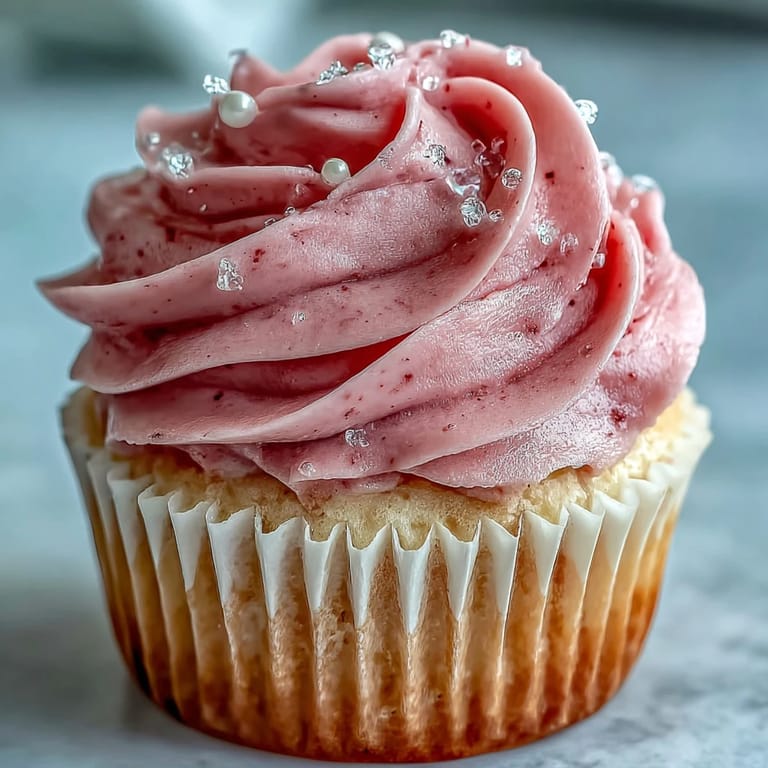
Save My daughter's ballet recital was next weekend, and I promised her cupcakes in her favorite color. Pink. Not just any pink—that soft blush she always pointed to in bakery windows. I'd never made colored cupcakes from scratch before, only boxed mixes, but something told me this needed to be special. The kitchen counter became a mess of gel bottles and measuring spoons, but when those first cupcakes came out of the oven, their tender crumb and delicate hue made me feel like I'd cracked a secret code. She declared them perfect before even tasting one.
I brought these to a baby shower once, and three people asked if I'd ordered them. That felt better than any compliment I'd gotten on fancier desserts. There's something about a well-made cupcake—not too heavy, not too sweet—that just works. The hostess tucked one into a napkin and saved it for later, which is the highest praise in my book. I started making them for every celebration after that, tweaking the shade of pink depending on the theme.
Ingredients
- Cake flour: This gives the cupcakes that ultra-tender crumb, but if you don't have it, the all-purpose and cornstarch swap works beautifully.
- Baking powder and baking soda: Both are essential for the rise and that airy texture, don't skip either one.
- Unsalted butter: Room temperature is key, it should leave a slight indent when you press it but not be greasy or melted.
- Granulated sugar: Creaming this with the butter creates tiny air pockets that make the cupcakes light.
- Egg: One large egg at room temperature blends in smoothly and helps bind everything without weighing it down.
- Buttermilk: The slight tang balances the sweetness and activates the leavening agents for a perfect rise.
- Pure vanilla extract: Use the real stuff, it makes a noticeable difference in flavor.
- White vinegar: Just a teaspoon works magic with the baking soda to create extra lift and tenderness.
- Pink gel food coloring: Gel is more concentrated than liquid, so you get vibrant color without thinning the batter.
- Powdered sugar: Sifting it prevents lumps in your frosting and gives you that cloud-like texture.
- Heavy cream: A splash loosens the buttercream to the perfect pipeable consistency.
Tired of Takeout? 🥡
Get 10 meals you can make faster than delivery arrives. Seriously.
One email. No spam. Unsubscribe anytime.
Instructions
- Prep your pan:
- Preheat the oven to 350°F and line your muffin tin with paper liners. This step seems obvious, but I once forgot and had to wait while the oven stayed hot and my batter sat deflating on the counter.
- Sift the dry ingredients:
- Combine the cake flour, baking powder, baking soda, and salt in a medium bowl, whisking them together until evenly distributed. Sifting aerates the flour and prevents clumps.
- Cream butter and sugar:
- Beat the butter on medium speed for about a minute, then gradually add the sugar. Keep beating for 2 to 3 minutes until the mixture looks pale and fluffy, almost like whipped cream.
- Add the egg and vanilla:
- Lightly beat the egg in a small bowl first, then pour it into the butter mixture on low speed. Once incorporated, blend in the vanilla extract.
- Alternate dry and wet ingredients:
- Add one-third of the dry mix, then half the buttermilk, then another third of dry, the rest of the buttermilk, and finish with the final third of dry ingredients. Scrape down the bowl between additions and mix just until combined.
- Tint the batter:
- Stir the white vinegar and pink gel food coloring together in a small cup, then pour it into the batter on low speed. Mix until the color is evenly distributed and the batter looks smooth.
- Fill the liners:
- Divide the batter evenly among the 12 liners, filling each about two-thirds full. Tap the pan gently on the counter to release any trapped air bubbles.
- Bake:
- Slide the pan into the oven and bake for 18 to 22 minutes, checking with a toothpick at the 18-minute mark. It should come out clean or with just a few moist crumbs clinging to it.
- Cool completely:
- Let the cupcakes rest in the pan for 5 minutes, then transfer them to a wire rack. They need to be fully cool before frosting, or the buttercream will melt into a puddle.
- Make the buttercream:
- Beat the butter on medium speed for about a minute until creamy. Gradually add 2 cups of powdered sugar on low, then increase speed and beat until smooth for about 2 minutes.
- Adjust the frosting:
- Add the vanilla, cream, and salt, then beat on medium-high for 1 to 2 minutes until light and fluffy. Add more powdered sugar if it's too soft, or more cream if it's too stiff.
- Frost and decorate:
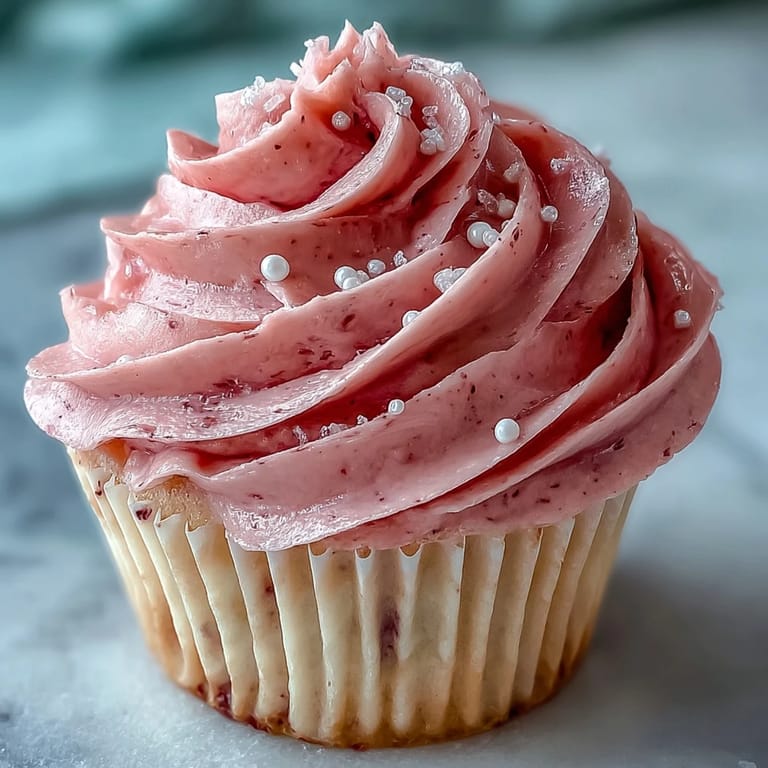
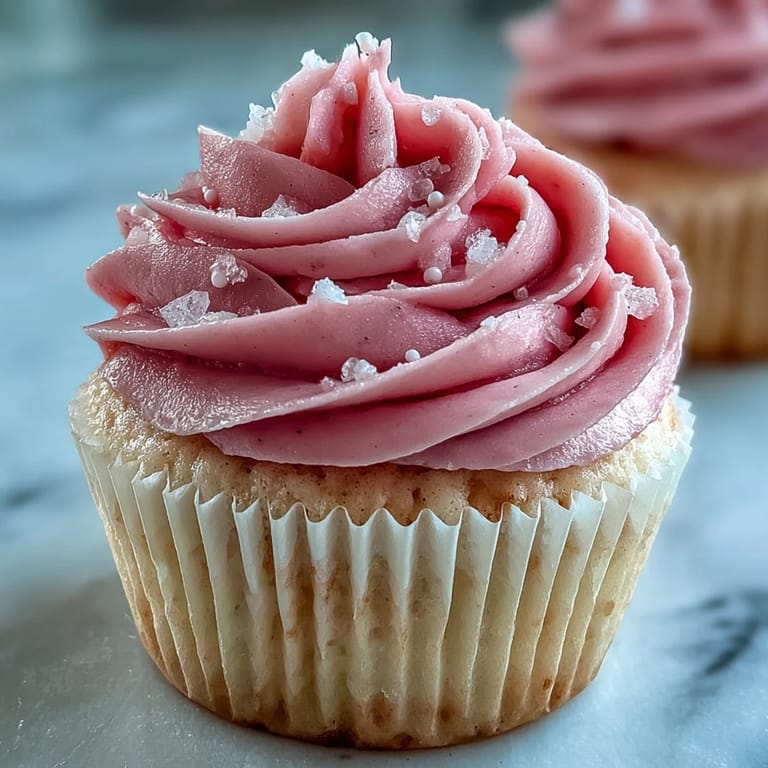
- Transfer the buttercream to a piping bag or use an offset spatula to swirl it onto each cupcake. Finish with sprinkles, edible pearls, or pink sanding sugar if you like.
 Pin it
 The first time I piped frosting onto these, my swirls looked more like abstract art than bakery perfection. My son grabbed one anyway and said it tasted like a cloud. That's when I realized presentation matters less than I thought. These cupcakes have a way of making people smile, whether they're topped with a wobbly swirl or a magazine-worthy rosette. They've become my go-to for birthdays, thank-yous, and those random Tuesday afternoons when something sweet just feels right.
How to Store and Serve
Once frosted, these cupcakes keep well in an airtight container at cool room temperature for up to 2 days. If your kitchen runs warm, pop them in the fridge, but let them sit out for 15 minutes before serving so the buttercream softens. Unfrosted cupcakes can be wrapped tightly and frozen for up to 2 months, then thawed and frosted when you're ready. I've done this for last-minute gatherings more times than I can count, and no one ever suspects they weren't baked that morning.
Customizing the Color and Flavor
The pink shade is entirely up to you—start with a little gel coloring and add more until you hit your target. For a natural option, beet powder works surprisingly well and adds an earthy sweetness. I've also tinted the frosting to match or contrast, like pale pink cupcakes with bright fuchsia frosting for a fun two-tone effect. If you want to skip the pink altogether, leave out the coloring and you'll have classic vanilla cupcakes that are just as delicious.
Troubleshooting and Tips
If your cupcakes dome too much or crack on top, your oven might be running hot—try dropping the temperature by 10 degrees next time. Cupcakes that sink in the middle usually mean the batter was overmixed or the oven door was opened too early. For a richer flavor, swap 2 tablespoons of the buttermilk with sour cream, which also adds extra moisture.
- Use a kitchen scale for the most accurate measurements, especially with flour.
- If the buttercream feels grainy, keep beating it on high speed for another minute or two to smooth it out.
- For mini cupcakes, fill the liners halfway and check them at 10 minutes.
 Pin it
 These cupcakes have earned a permanent spot in my recipe box, the kind I reach for when I want something reliable and a little bit special. They've never let me down, and I have a feeling they won't let you down either.
Frequently Asked Questions
- → What makes pink velvet different from red velvet?
Pink velvet shares the same tender crumb and tangy buttermilk base as traditional red velvet, but uses pink food coloring instead of cocoa powder and red dye. The result is a lighter, more delicate flavor profile that lets vanilla shine while maintaining that signature velvety texture.
- → Can I make these cupcakes ahead of time?
Bake the cupcakes up to 24 hours in advance and store them unfrosted in an airtight container. Frost them on the day of serving for the freshest taste and texture. The buttercream can be made 1-2 days ahead and refrigerated—bring to room temperature and rewhip before piping.
- → How do I achieve the perfect pink color?
Start with a small amount of pink gel food coloring, about ½ teaspoon, and gradually add more until you reach your desired shade. Gel coloring is more concentrated than liquid, so a little goes far. For natural coloring, beet powder works but may yield a more muted pink tone.
- → Why is room-temperature ingredients important?
Cold ingredients can cause the butter to seize or create lumps in the batter, leading to uneven texture. Room-temperature butter, egg, and buttermilk emulsify properly, creating a smooth batter that bakes into tender, evenly-cooked cupcakes with consistent rise.
- → Can I substitute cake flour?
If you don't have cake flour, measure 1 cup plus 2 tablespoons of all-purpose flour and remove 2 tablespoons, then replace with 2 tablespoons of cornstarch. Sift the mixture three times to distribute the cornstarch evenly, mimicking the lower protein content of cake flour.
- → How should I store frosted cupcakes?
Keep frosted cupcakes in an airtight container at cool room temperature for up to 2 days. Avoid refrigeration as it can dry out the crumb and make the buttercream hard. For longer storage, freeze unfrosted cupcakes for up to 3 months and thaw at room temperature before frosting.