 Save
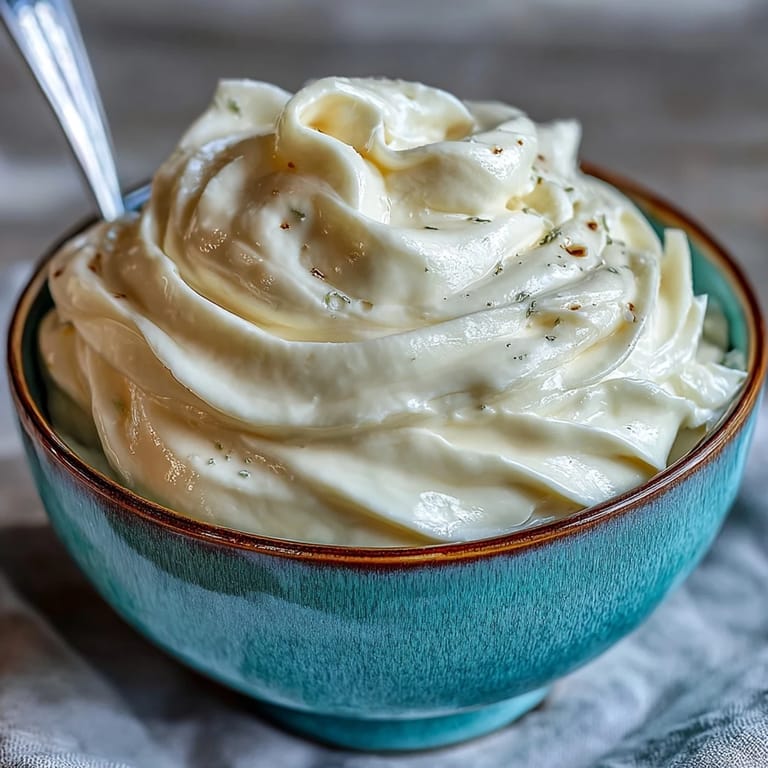
Save The first time I made mayonnaise from scratch, I was lured by the promise of watching liquid ingredients transform before my eyes. There&aposs a quiet thrill in seeing egg, oil, and mustard suddenly swirl together into a silky, blank canvas for flavor. My kitchen was filled with the hum of the immersion blender and I remember laughing at how quickly it all came together. Instead of intimidating, the process felt empowering—like I was cracking a secret code. The aroma was sharper than store-bought, hinting at the fresh Dijon and lemon I used.
I once whipped up a batch moments before a friend stopped by unexpectedly for lunch. She looked surprised that something so rich and familiar could have been made just minutes earlier—especially since our sandwiches tasted somehow more alive. That little kitchen victory still makes me smile whenever I grab the immersion blender for another round.
Ingredients
- Egg (room temperature): Start with a room temperature egg for best emulsification—cold eggs won&apost blend as smoothly.
- Dijon mustard: Not only adds tang, but helps stabilize the mayo; I stick with Dijon for that mellow heat.
- White wine vinegar or lemon juice: Each brings its own brightness—lemon for extra zest, vinegar for sharper notes.
- Neutral oil: Choose sunflower, canola, or light olive oil—stronger oils can overpower, so use a mild one for classic flavor.
- Fine sea salt: It wakes up all the flavors; a pinch goes a long way.
- Freshly ground black pepper (optional): If you want a hint of spice, freshly cracked pepper is always more fragrant.
Tired of Takeout? 🥡
Get 10 meals you can make faster than delivery arrives. Seriously.
One email. No spam. Unsubscribe anytime.
Instructions
- Prep Your Container:
- Grab a tall blending jar—one just wider than the immersion blender—so ingredients stay close for fast emulsification.
- Combine Your Base:
- Add the egg, mustard, vinegar or lemon juice, salt, and pepper in first—it&aposs surprisingly satisfying watching them layer up.
- Add the Oil:
- Pour the oil gently on top, which helps the blend happen in one magical moment.
- Blend and Emulsify:
- Sink the blender to the bottom, press start, and watch as it goes from liquid to creamy in seconds—hold for about ten seconds.
- Finish Blending:
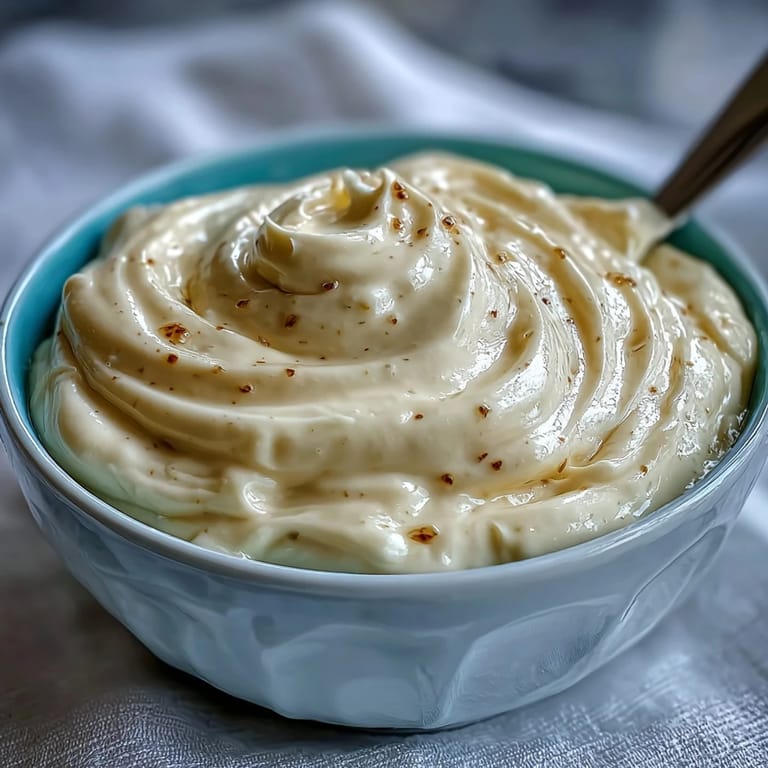
- Slowly move the blender up and down, incorporating the oil until your mayo is thick and glossy—usually just a half minute more.
- Taste and Adjust:
- Scoop a bit onto a spoon to taste; adjust salt or acid if needed, stirring in by hand.
- Store:
- Transfer to a jar or container, seal tightly, and refrigerate right away; homemade mayo stays fresh for about a week.
 Pin it
 This recipe became my secret weapon for cookouts. One summer afternoon, as burgers sizzled in the background, a bowl of homemade mayo with fresh garlic sent everyone dipping fries and asking how it tasted so good. In that moment, condiments became conversation starters.
Transforming Basic Mayo
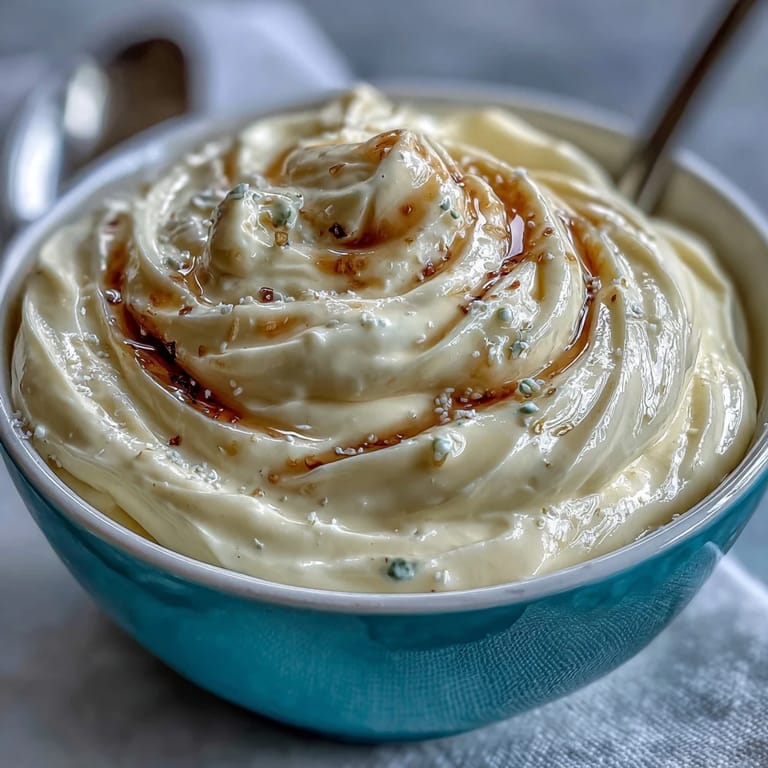
Sometimes I add fresh herbs or a minced clove of garlic right before blending—each batch can be tailored for whatever meal you have in mind. The immersion blender makes it nearly impossible to mess up, as long as you start slow and stay steady. If you want it tangier, a splash more lemon does the trick. We&apost ever stuck to a single flavor—try smoked paprika next time for an incredible sandwich spread.
Making It Safe and Allergy-Friendly
I learned to use pasteurized eggs if serving guests who might worry about raw eggs. Always check your oil and vinegar for hidden allergens—labels sometimes surprise you. When making aioli, a single garlic clove is all you need without overwhelming the base. Once, I swapped in olive oil and realized it gave a stronger taste—best when you want that bold Mediterranean kick.
Quick Storage and Serving Tips
Homemade mayo loves being chilled immediately, so I keep a jar ready for salads, dips, or quick lunches. Thinking ahead makes it easy to use within a week, and nothing beats a fresh batch on a picnic sandwich. I always recommend a tightly sealed jar so it stays creamy and avoids absorbing fridge odors.
- Store in a glass jar for freshest flavor.
- Always use a clean spoon—no double dipping.
- Don&apost forget to write the date on the lid!
 Pin it
 Every time I make this mayo, I marvel at how something so simple brings a little joy to the kitchen. It&aposs worth those five minutes whenever you want to add homemade magic to a meal.
Frequently Asked Questions
- → What oil works best for homemade mayonnaise?
Neutral oils like sunflower, canola, or light olive oil blend best without overpowering flavor. Olive oil adds a stronger taste.
- → How do I avoid separation in mayonnaise?
Emulsify ingredients well using an immersion blender and blend until thick and smooth. Ensure egg is at room temperature.
- → Is it safe to use raw eggs?
Use pasteurized eggs if concerned about raw eggs. Fresh, high-quality eggs are recommended for homemade preparations.
- → Can I flavor the mayonnaise?
Enhance it by blending in minced garlic for aioli, adding more vinegar for tang, or adjusting seasonings to your taste.
- → How long does homemade mayonnaise last?
Refrigerate and use within one week. Store in a clean, sealed jar to maintain freshness and safety.
- → What tools are needed for this method?
An immersion blender, a tall blending container, measuring spoons, and a jar with a lid are essential for easy preparation.